
Where learninghits the chain
Layer 2 for credentials, funding, rewards, and the rest of what education actually runs on.
EVM execution. Low fees. Tuned for the micro events.


Built around real education workloads
High frequency, tiny actions
Attendance logs, quiz completions, checkpoint pings, nudge receipts. Hundreds per day per campus. Gas has to be invisible at this scale or the whole thing falls apart.
Money flows with rules
Scholarships, grants, and rewards that release when conditions are met — GPA thresholds, attendance gates, reviewer sign-offs. The contract enforces it. The finance office doesn’t chase it.
Records that follow people
Credentials, participation proofs, and contribution history sit in wallets. When the app shuts down or the institution changes systems, the record doesn’t vanish.
Room for everything else
DeFi, NFTs, tooling, games — anything EVM runs. Education rails are native to the chain, not the only thing allowed on it.
Builders
Ship EVM contracts that plug into education data and money flows.
- Start from reference patterns for credentials, scholarships, and engagement logic
- Point existing tools at a network that already speaks this problem space
- Familiar stack: Hardhat, Foundry, ethers.js
Campuses & products
Tie admissions, finance, and engagement to on-chain rules instead of manual ops.
- Wallet and key management stays hidden through integration partners
- Repeated manual work becomes contract calls
- Transparent audit trail for every transaction
Learners & communities
Carry a single record of what you’ve done across every app that integrates.
- Receive funding and rewards that survive platform churn
- Join communities where proof is on-chain, not a screenshot
- Portable credentials across institutions
Credentials. Funding.
Rewards.
Certificates, transcripts, skill badges, and event receipts as reusable contract patterns. Issued by institutions, held by learners, verified by anyone with a chain query. No API keys, no vendor lock-in.
Scholarships, grants, micro-grants, and pooled funds with release conditions written into the contract. Disbursement is automatic when the rules are satisfied. Every rupee traceable from deposit to student.
Attendance streaks, quest completions, mentoring hours, and milestone hits. Logged on-chain, wired to automatic incentives. Other apps read this data as a signal such that consistent participation becomes portable reputation.
Everything optional. Take one rail, mix all three, or ignore them and deploy generic contracts.

Feels like mainnet, priced for classrooms
EVM semantics. Standard transaction types. If you’ve shipped on Ethereum or any L2, nothing here surprises you.
Tuned so a single quiz log or attendance check-in costs what it should cost: nearly nothing. Scales to thousands of daily microtransactions per campus without anyone noticing the bill.
Mainstream wallets, Hardhat, Foundry, ethers.js, web3.py. The stack you already use. No proprietary SDKs required to get started.
Blocks and data anchored to L1. Technical details in the litepaper. The short version: security inherits from Ethereum.
Already shipping on CollegenZ
Coins For College
Campus token economies where students earn through attendance, milestones, and participation, and spend across dining, printing, events, and bookstore. Scholarship conditions live in contracts.
Rewards For Education
Admissions and financial aid pipelines on-chain. Applications, reviews, approvals, and disbursements as transactions with clear rules. Donors trace every rupee.
On-chain credential issuance and verification. Universities issue, students hold, employers verify. One lookup, no phone calls to registrar offices.
Recurring micro-grant pools with transparent eligibility rules and reviewer-based release. Every disbursement traceable from deposit to student initiative.
Gamified learning challenges with on-chain completion tracking. Professors and communities create quests, participants log progress, completions become composable signals.
Office hours and mentoring sessions as verifiable records. Mentors log, mentees confirm, the history becomes portable proof of initiative and service.
Bounty-based research tasks with locked rewards. Faculty post tasks, students claim and submit, reviewers approve, payout is automatic. Research contributions get timestamped credit.
Event participation receipts that unlock future benefits. Workshops, hackathons, guest lectures. Attendance proofs accumulate and gate access to grants, priority registration, and recognition.
Semester-based financial products, tuition installments, emergency micro-loans, peer lending circles. Terms encoded in contracts, not buried in fine print.
Pick a project and ship it
Concepts that belong on CollegenZ. Grab one, build it with us, or bring your own.
StudyQuest
Weekly learning quests with on-chain completion and clear reward logic.
Office Hours Ledger
Mentoring and office hour attendance that other apps can treat as a signal.
Event Proofs
Workshops and meetups with participation receipts that unlock future benefits.
Research Bounties
Tasks with locked rewards and rule-based payouts once reviewers sign off.
Skill Seasons
Cross-app challenge seasons where rankings and wins sit permanently on chain.
Micro Grant Pools
Recurring student initiative funds with transparent rules for who gets backed.
Early teams get design help from the core group instead of docs alone.
The chain is ahead of
the documentation
- Testnet RPC and network parameters shared with approved teams.
- Sample contracts for credentials and funding flows.
- Direct support channel with core engineers.
- Help wiring wallets and basic infra on top.
- Public docs with step-by-step deployment flows.
- SDKs for common reads and writes around education data.
- Explorer, faucet, and status page open to everyone.
- Reference pattern guides for typical use cases.
Share what you're building, get a setup pack and a direct line to the team.
Students, builders, and schools
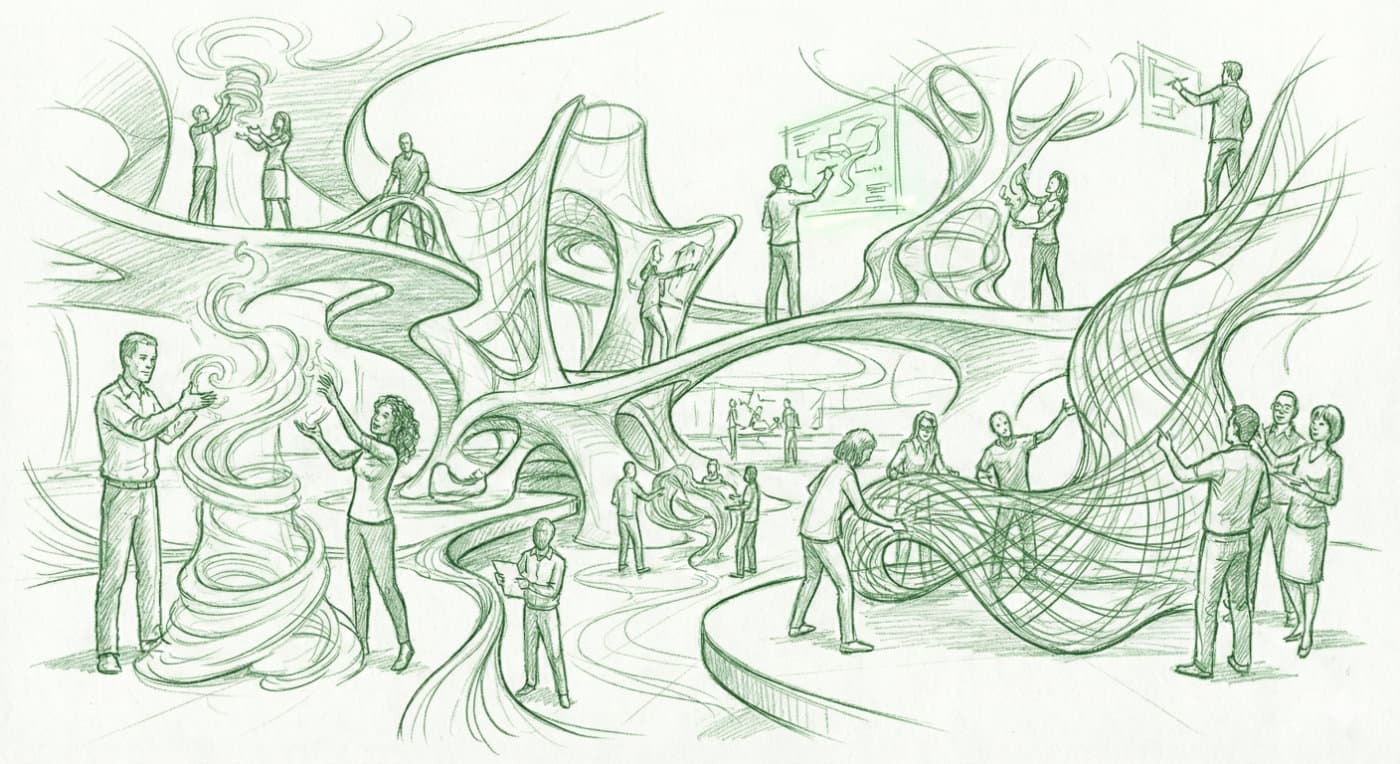
in the same room
Community
Regular updates, calls, and channels where builders, campuses, and students show up in the same place. Not three separate Discords.
Early governance
Core team steers the protocol with public reasoning. Decisions are explained, not announced. This is honest about being early-stage, not pretending to be a DAO.
Future process
Formal proposals and voting stand up once there’s enough real usage to govern. Structure follows adoption, not the other way around.
Programs
Campus leads, hack tracks, and grants that track how the chain is actually being used. Participation is measured, not just encouraged.